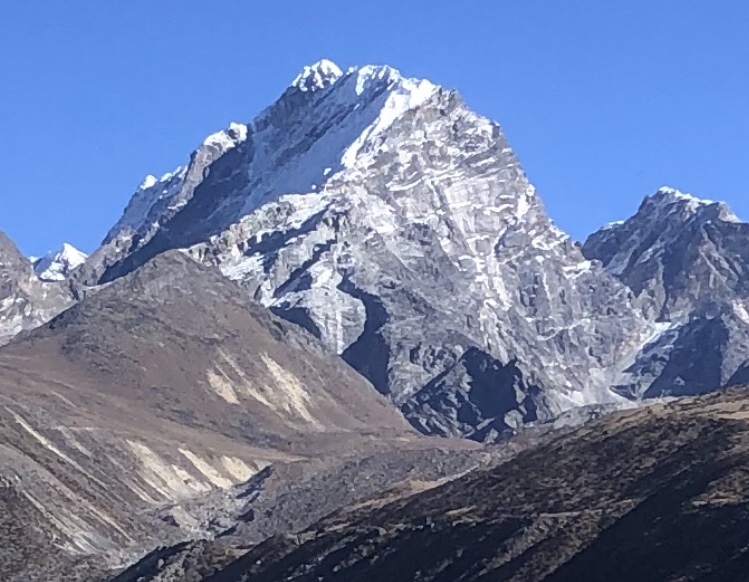
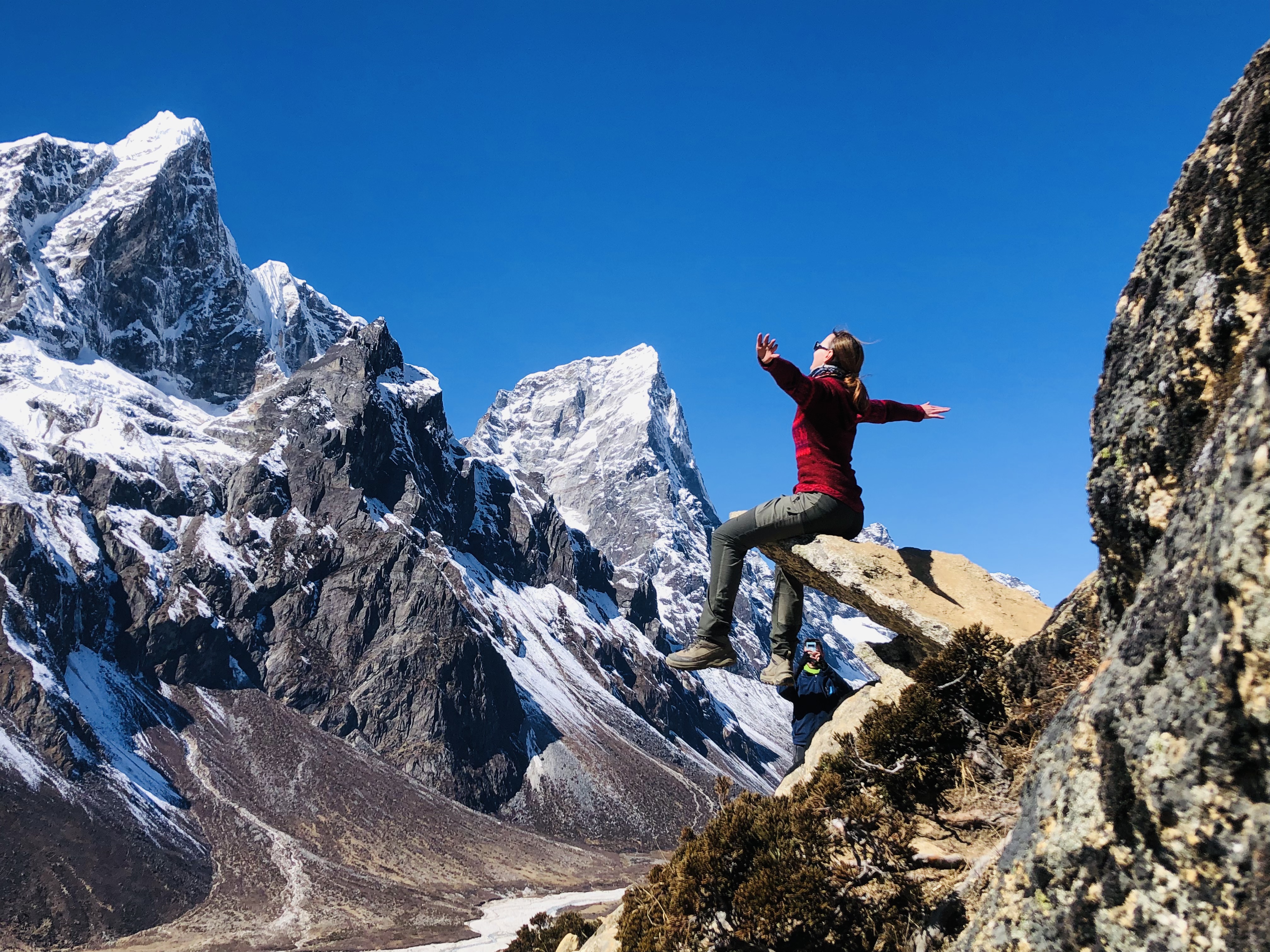
Nestled in the heart of the Himalayas, Mera Peak stands as an invitation to adventure-seekers and mountaineering enthusiasts from around the world. Rising to an impressive altitude of 6,476 meters (21,247 feet), Mera Peak is not just a trekking peak but a gateway to exhilarating experiences, breathtaking landscapes, and the thrill of summiting a Himalayan peak. If you're yearning to test your limits and immerse yourself in the awe-inspiring beauty of Nepal's mountains, Mera Peak promises an unforgettable journey.
Mera Peak is situated in the Khumbu region of Nepal and stands as one of the most popular trekking peaks in the country. Its appeal lies not only in its challenging ascent but also in the diversity of experiences it offers along the way. The trek to Mera Peak takes you through lush forests, charming villages, and pristine landscapes, providing an opportunity to immerse yourself in the local culture and soak in the panoramic views of towering Himalayan giants.
The Journey to the Summit
The journey to the summit of Mera Peak is an adventure that spans approximately 18-20 days. The trek begins with a scenic flight from Kathmandu to Lukla, followed by a trek through picturesque villages like Paiya, Pangkongma, and Khare. As you ascend, the landscape transforms from lush greenery to snowy expanses, and the excitement builds as you approach the high camp.
The climb itself is a mix of glacier travel, steep inclines, and awe-inspiring vistas. The final push to the summit involves navigating through ice and snow, using mountaineering equipment like crampons and ice axes. The effort is rewarded with a panoramic view that stretches from the Everest and Makalu ranges to Kanchenjunga and beyond.
Challenges and Preparations
Climbing Mera Peak is a physically demanding endeavor that requires a good level of fitness and stamina. Proper training and preparation are essential, including cardiovascular exercises, strength training, and altitude acclimatization. Climbers should also be prepared for changing weather conditions and rapid altitude gains.
Cultural Encounters and Natural Splendors
Beyond the physical challenges and breathtaking landscapes, Mera Peak trek offers the chance to engage with the local Sherpa culture. Along the trail, you'll have the opportunity to visit monasteries, interact with the friendly locals, and gain insights into their way of life. The trek also takes you through the Hinku Valley, known for its pristine beauty and untouched landscapes.
Physical Fitness and Training
Training is key to a successful climb. Engage in cardiovascular exercises like hiking, running, and cycling to improve your endurance. Strength training for your core, legs, and upper body will also help you navigate the varying terrain and steep ascents.
Altitude Acclimatization
Altitude sickness is a real concern during high-altitude treks. Acclimatize gradually by spending a few days at higher altitudes to allow your body to adapt to the lower oxygen levels. Listen to your body and take rest when needed.
Proper Gear and Equipment
Invest in high-quality trekking and mountaineering gear. Your gear should include waterproof clothing, insulated jackets, sturdy hiking boots, and accessories like gloves, hats, and sunglasses. Ensure that you're comfortable with the use of mountaineering equipment like crampons and ice axes.
Stay Hydrated and Eat Well
Proper hydration and nutrition are crucial during the climb. Drink plenty of water and eat energy-rich meals to maintain your strength and stamina. High-calorie snacks like nuts, energy bars, and chocolates can provide a quick boost when needed.
Respect Local Culture
The communities along the Mera Peak trail have their own customs and traditions. Show respect for their way of life by following local customs, being mindful of your actions, and seeking permission before taking photos of people or religious sites.
Show more...
Itinerary
Upon your arrival in Kathmandu, you will be greeted by our representative and transferred to your hotel for check-in.
After a good night's rest, you can take some time to acclimate to the new environment and altitude. In the afternoon, you'll embark on a half-day sightseeing tour of some of the cultural and historical landmarks in Kathmandu. You may visit places like Swayambhunath (Monkey Temple), Boudhanath Stupa, Pashupatinath Temple, or Patan Durbar Square.
Today, you'll begin your journey to Mera Peak by driving to Phaplu. The scenic drive will take around 8 to 9 hours, and you'll enjoy beautiful views of hills, villages, and landscapes along the way.
From Phaplu, you'll continue your journey with a local jeep ride to Bupsa. The drive will take approximately 5 to 6 hours, and you'll pass through picturesque rural settlements and lush forests.
Today marks the start of your trekking adventure. You'll trek to Pagom, and the journey will take around 5 to 6 hours. You'll walk through rhododendron and pine forests, crossing several small streams and bridges.
Continuing your trek, you'll head towards Ningso. The trail will take you through beautiful landscapes and small villages, offering a glimpse of the local lifestyle.
As you trek towards Chitra Khola, you'll experience the changing landscape, with breathtaking views of the mountains and valleys.
Today, you'll trek to Kothe, situated at an elevation of 3,691 meters. The route will take you through dense forests and charming settlements.
The trek to Thang Nak will take approximately 3 to 4 hours. You'll pass through the Hinku Valley, surrounded by stunning mountain vistas.
As you ascend higher, you'll reach Khare, a significant point in your journey towards Mera Peak. The village offers beautiful views of the surrounding peaks.
Today, you'll make your way to Mera Base Camp, situated at an altitude of 5,300 meters. You'll start to feel the excitement of being closer to your destination.
Before attempting the summit, you'll take a rest day at the Base Camp. You'll also receive climbing training and prepare for the challenging climb ahead.
Leaving the Base Camp, you'll trek to Mera High Camp, located at an elevation of 5,800 meters. The trail involves some steep sections, and you'll be surrounded by awe-inspiring panoramas.
The most awaited day has arrived. Today, you'll embark on the final push to reach the summit of Mera Peak, standing at 6,470 meters above sea level. After conquering the peak, you'll descend back to Khare, completing an incredible 12 to 13 hours journey.
You'll retrace your steps and trek back to Kothe, where you'll relax and celebrate the successful summit.
As you trek towards Thuli Kharka, you'll enjoy the scenic beauty of the landscape and mountains.
Today's trek will take you over the Zatrwa La Pass at 4,610 meters. From the pass, you'll descend to Lukla, where you'll conclude your trekking journey.
You'll take a short scenic flight from Lukla back to Kathmandu, where you can relax and reminisce about the remarkable journey you've completed.
A day of leisure in Kathmandu, where you can do some last-minute shopping for souvenirs or explore the city at your own pace.
Time to say farewell to Nepal. Our representative will transfer you to the airport for your onward journey, marking the end of your memorable Mera Peak Climbing adventure.
Inclusions
Includes
Airport pick up and drop-off as per the itinerary
One porter for two clients
An Experienced Trekking guide and a porter to carry luggage
3 meals with 5 times tea available in the best accommodations in the lodge during the trek
All the entry fees as per the itinerary {Special permit and TIMS/trekker’s information Management System}
3 nights 3-star or same category hotel on BB {Bed & Breakfast} plan in Kathmandu
Ground transportation according to the schedule
Twin sharing teahouse (basic lodges) accommodations during the trek
A Duffle bag
Farewell dinner after the trek
Excludes
Nepal visa, which is obtained at the airport on arrival
Alcoholic beverages, bottle mineral water, soft drinks, and snack foods
Any personal medical or evacuation expenses incurred, and strongly recommend international Travel insurance which includes rescue
Extra porter for the personal day bag pack
Riding horse along the trek or any kinds of Extra Activities
Extra cost on natural disaster
Kathmandu sightseeing
Extra night hotel in Kathmandu
Clothing, Packing Items or Bags, Personal Medical Kit, Personal Trekking Gears